
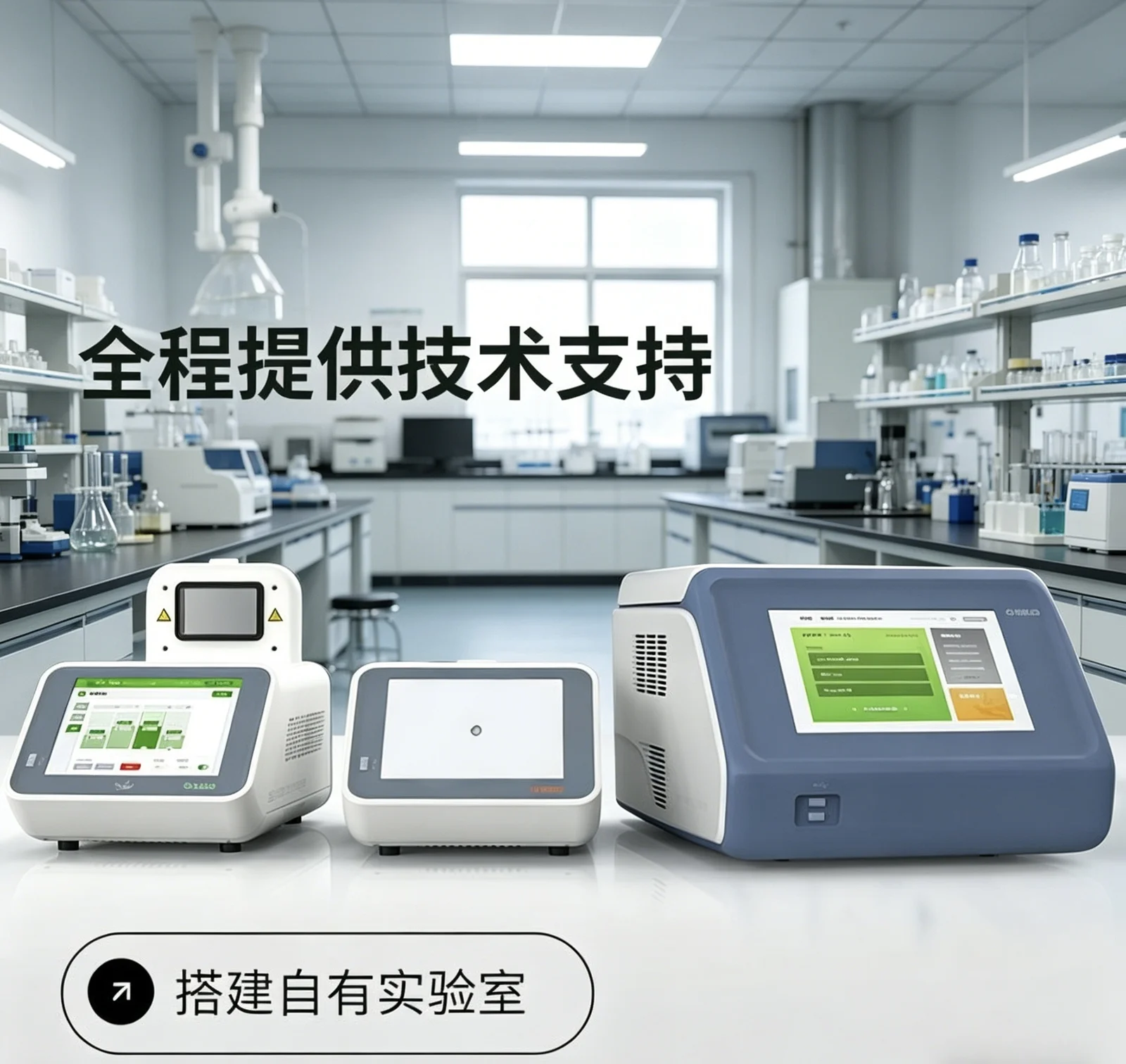
Polymerase chain reaction (PCR) is a method for amplifying specific DNA fragments in vitro. It has outstanding advantages such as specificity, sensitivity, high yield, speed, simplicity, good reproducibility, and easy automation. It can amplify a target gene or fragment by hundreds of thousands to millions of times in a very short time. The process of detecting the target gene using instruments is called PCR detection, also known as nucleic acid detection. As the gold standard method for pathogen detection, PCR can accurately diagnose the pathogenic microorganisms (viruses, bacteria, mycoplasma, chlamydia, etc.) and parasites infecting racing pigeons, providing clear evidence for targeted treatment.
A. Environment and Personnel
The experimental instruments should be placed in a well-lit and ventilated room, with a flat and stable test bench. The 220V power supply should be stable and properly grounded.
B. Equipment and Consumables
1. Real-time fluorescence quantitative PCR machine + computer
2. Small specialized centrifuge
3. Small mixer
4. Micro heat block metal bath
5. Pipette set
6. PCR diagnostic reagents
7. UV disinfection lamp
8. Tips
9. PCR tubes
10. Centrifuge tubes
11. Test tube rack
12. Latex gloves
13. Lab coat
14. Clean bench
15. Refrigerator (self-provided)
With the racing pigeon molecular diagnosis lab we set up, many gene detection based on PCR technology can be easily carried out:
1. Pigeon gender gene identification
2. PCR molecular diagnosis of common pigeon diseases and parasite detection